The Basics of Peptides: Key Insights for Enhancing Your Well-being
Lately, the realm of health and wellness has seen a significant shift towards exploring and using peptides for their capability in improving healing and regeneration. Being the fundamental components of proteins, peptides play a vital role in numerous biological processes, making them integral to developments in medicine and skincare. With the capability of biomimicry, scientists and practitioners are unlocking the secrets of these little but significant molecules to tackle a range conditions, from chronic wounds to age-related degeneration.
This article will take you on a journey into the fascinating realm of peptides, exploring their transformative potential in tissue repair and regeneration. We will examine the science behind how peptide chains facilitate wound healing, enhance skin appearance, and even aid joint and nerve health. Whether you are interested in a particular injury recovery or simply looking to improve your overall wellness, comprehending peptides can open the door to a new level of health and vitality. Come with us as we reveal the numerous methods peptides are reshaping healing practices and revolutionizing how we approach optimal wellness.
Comprehending Peptides in Healing
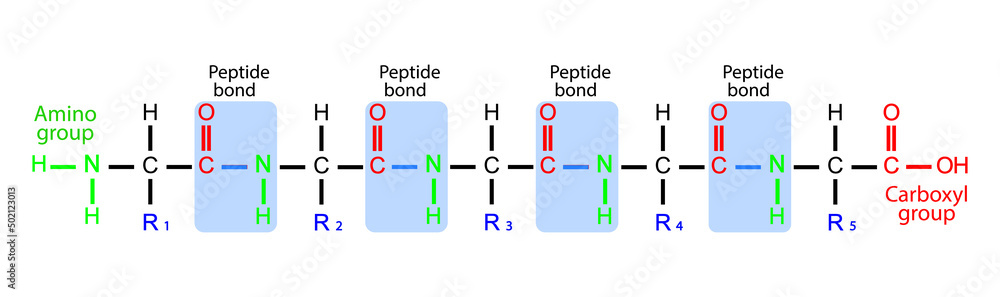
Amino Acid Chains are tiny links of amino acids that hold a key role in various biological processes, especially in rehabilitation. They function as signaling molecules, transmitting messages between cells, which can stimulate regeneration and repair mechanisms in impaired tissues. By imitating natural biological processes, peptides can enhance wound healing, enhance skin elasticity, and stimulate cell regeneration. This is notably crucial for individuals recovering from injured states or medical procedures, as peptides can hasten the healing process by encouraging collagen production and improving skin architecture.
In the context of healing, peptides are often utilized in advanced wound care and regenerative medicine. They help in the remodeling of wounds by drawing vital cells to the injury site and helping to manage the complex healing process. For example, specific peptides can activate fibroblasts to generate more ECM components, which are vital for sealing wounds and minimizing scarring. As investigation advances, the potential applications of peptides in tissue repair continue to grow, offering promising solutions for persistent wounds, skin conditions, and even post-operative recovery.
Moreover, the therapeutic application of peptides goes further than direct wound care. https://purepeptide.bg/ are being examined for their roles in larger healing contexts, such as joint health, nerve regeneration, and muscle recovery. The potential of peptides to boost specific biological pathways opens up new avenues for managing degenerative conditions and supporting overall tissue resilience. As scientists uncover more about the processes of action behind peptide therapy, the future of regenerative medicine looks more focused on these strong biomolecules for achieving best wellness.
Short Chains of Amino Acids in Tissue Repair and Healing
These molecules are small clusters of amino acids that perform a significant role in numerous biological processes, particularly in wound recovery and restoration. These small but effective molecules can replicate the body's biological signaling pathways, aiding the healing of injuries and promoting the rebuilding of damaged tissues. By understanding how peptide chains interact with cellular processes, researchers are uncovering innovative applications in healing procedures, cartilage repair, and even skin rejuvenation.
Recent advancements in the use of peptides have showcased their promise in changing traditional approaches to healing. For instance, focused peptides can accelerate wound recovery by boosting cell movement and proliferation at the site of injury. The use of bio-peptides in skin grafting is notably promising, as they merely support the compatibility of grafts but also improve the overall aesthetic outcomes by reducing scarring. This implies that peptides could be a breakthrough medical treatments, particularly for persistent injuries and extensive tissue damage.
Furthermore, the regenerative power of peptides extends past minor injuries. They have shown potential in complex cases such as joint and nerve repair, where they can promote the restoration of ability and movement. By promoting collagen production and guiding spinal cord repair, peptides are opening up a new frontier in regenerative medicine. As research advances, the integration of peptide therapy into clinical practice looks strikingly viable, giving hope for improved recovery outcomes across various injury types.
Security and Effectiveness of Peptide Therapy
The safety and effectiveness of peptide therapy are critical to comprehending its function in contemporary healing practices. Comprehensive research and clinical trials have indicated that many peptide compounds used for medical purposes have a positive safety profile. These naturally occurring compounds mimic the body's natural signaling mechanisms, which helps lessen the risk of adverse reactions. However, the potency and concentration of peptide compounds can differ considerably between formulations, highlighting the importance of sourcing them from reliable sources and ensuring they are used with the assistance of certified healthcare professionals.
Effectiveness can differ based on the particular kind of peptide compound and its application. These compounds have demonstrated potential in diverse areas such as wound healing, tissue repair, and anti-aging treatments. Research findings often support their use in supporting collagen synthesis and promoting cell regeneration, leading to improved recovery outcomes. However, while numerous anecdotal reports highlight favorable outcomes, ongoing research is necessary to confirm the long-term benefits and efficacy of specific peptides across various scenarios and groups.
Taking into account both security and effectiveness, it is important for patients to discuss their health goals with healthcare providers knowledgeable about peptide treatments. Tailored approaches can help determine the best peptide combinations, taking into account individual health history and therapeutic goals. This tailored strategy optimizes the potential benefits of peptide treatments while ensuring that the safety of patients remains the top priority, paving the way for new applications in healthcare and well-being.